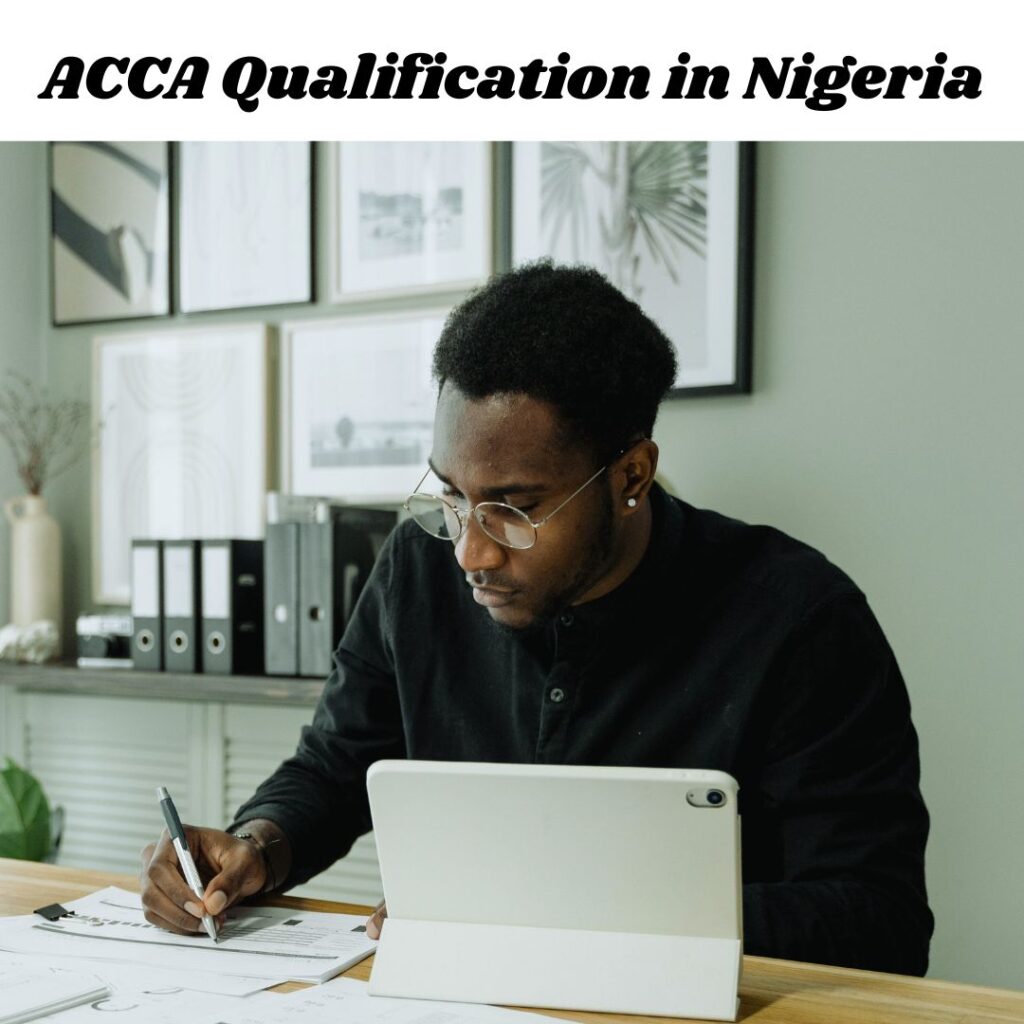
Feeling unsure about the ACCA qualification in Nigeria, you are not alone. Many students want to study ACCA in Nigeria, yet struggle to understand the entry rules, the exam structure, and the real journey from beginner to certified accountant. This blog will help you understand everything in a simple and friendly way, so you can begin with confidence. You will find a clear explanation of the ACCA requirements in Nigeria, how the ACCA syllabus works, and what it takes to complete the full ACCA certification in Nigeria. If you have been searching for an easy and reliable ACCA study guide, this is the perfect place to start. Let’s read this step-by-step guide so you can begin your ACCA journey with clarity.
Why the ACC qualification in Nigeria matters
The accounting field in Nigeria is competitive, and employers are always on the lookout for professionals who can handle financial reporting, analysis, compliance, and strategic planning with confidence. The ACCA qualification is acknowledged in more than 180 countries, so it gives you a global advantage while still being highly valued in the local industry. Getting the ACCA certification in Nigeria also opens doors to careers in auditing, tax, finance management, banking, consulting, and corporate leadership. Many companies prefer ACCA-certified candidates because the qualification shows discipline, technical skills, and real-world financial knowledge. If you want a stable career with strong growth potential, the ACCA is one of the most intelligent paths.
Step 1: Understanding the ACCA requirements in Nigeria
Before you jump into the registration, it helps to know whether you meet the entry rules. The accreditation requirements in Nigeria are flexible, which makes the qualification accessible to students from many backgrounds. Here is what you need to get started.
Standard entry route
You need
Five O-level credits, including mathematics and English
Or two A-level subjects plus three O-level credits.
Graduate Entry Route
If you already have a relevant degree, such as accounting, finance, economics or business, you may get exemptions. This means you will skip the papers you have already studied at university.
Mature Student Entry Route
If you do not meet the academic requirements, you can still start ACCA at any age by beginning with the Foundation level exams. After completing them, you can move on to the main ACCA papers.
The flexible entry system is one of the reasons why many students choose ACCA in Nigeria.
Step 2: Understanding the ACCA Syllabus Nigeria
The ACCA syllabus in Nigeria follows the global ACCA structure, which means you will study a mix of technical and professional topics. The syllabus is designed to turn you into a well-rounded finance professional who can handle real business challenges.
The syllabus is divided into three main levels:
1. Applied Knowledge
This level introduces you to basic accounting and business concepts. It includes subjects like Financial Accounting, Management Accounting, and Business Technology.
2. Applied Skills
Here you learn greater financial and analytical skills. Subjects include Financial Reporting, Taxation, Performance Management, Corporate and Business Law and Audit.
3. Strategic Professional
This is the final stage. It focuses on leadership, strategy, risk management, and advanced financial analysis. You will complete two compulsory papers and choose two optional papers, such as Advanced Audit or Advanced Tax.
The structure of the ACCA syllabus in Nigeria allows you to study gradually and build knowledge as you move through each stage. Many students in Nigeria study part-time while working, and the system supports that pace.
Step 3: Registering for the ACCA Qualification in Nigeria
Registration is done online through the ACCA global website. You will upload your documents, such as your ID and educational certificates. Once your registration is approved, you can book exams, choose tuition providers, and start planning your study calendar.
One thing that helps a lot during registration involves checking whether you qualify for exemptions. Graduates with accounting or business degrees often skip several papers. This can shorten your journey by one or two years.
Step 4: Creating a Practical Study Plan
A big challenge for many students is balancing work, family, and ACCA studies. That is where a good study plan becomes important. You can follow these tips:
- Set weekly study hours and stick to them
• Use an ACCA Nigeria study guide to structure your reading
• Solve past questions
• Attempt mock exams regularly
• Join ACCA forums and WhatsApp groups for support
Many ACCA students in Nigeria study early in the morning or late at night because those hours are quiet and less distracting. The key is consistency.
Step 5: Choosing a Tuition Provider in Nigeria
While you can study on your own, most students prefer enrolling in tuition centres for guidance. Good tutors help explain complex topics, offer exam techniques, and provide practice questions.
Some popular ACCA learning providers in Nigeria include
• BPP Learning Partner Centres
• First Intuition Lagos
• Knosh Academy
• Maple Education
• Zima Associates
You can also choose international online platforms if you prefer studying from home.
Step 6: Preparing for the Exam
Exam preparation is all about discipline. Here are some simple habits that help:
- Start early so you do not rush in the last week
• Practice computer-based exam questions
• Revise using examiners’ reports
• Do timed practice so you can manage real exam pressure
The ACCA exam structure requires strong time management and accuracy. The more questions you attempt before the exam day, the better your score will be.
Step 7: gaining work experience
To complete the ACCA certification in Nigeria, you need at least three years of relevant work experience. This is known as the practical experience requirement. You can get this experience in auditing form, banks, accounting departments, tax offices, or consulting companies. Your experience will be logged online and approved by your workplace supervisor. Once you complete the exams and work experience, you become an acca member.
Step 8: Starting Your Career After ACCA
After earning the ACCA Qualification in Nigeria, the career options become wide. You can work as
- Financial accountant
• Auditor
• Tax consultant
• Finance manager
• Risk analyst
• Internal auditor
• Business analyst
• Investment advisor
Many ACCA members eventually move into management roles because the qualification prepares them for strategic thinking and decision making.
FAQs
How long does it take to complete the ACCA Qualification in Nigeria
Most students take three to four years, depending on the number of exemptions and how many papers they take each session.
Is the ACCA certification in Nigeria recognised globally
Yes, ACCA is a worldwide qualification accepted in more than 180 countries.
What are the main ACCA requirements in Nigeria
You need five O Level credits or relevant A Level subjects. Graduates can apply through the direct entry route and may receive exemptions.
Is ACCA better than a university degree
Both are valuable, but ACCA offers global recognition and a direct pathway to finance careers.