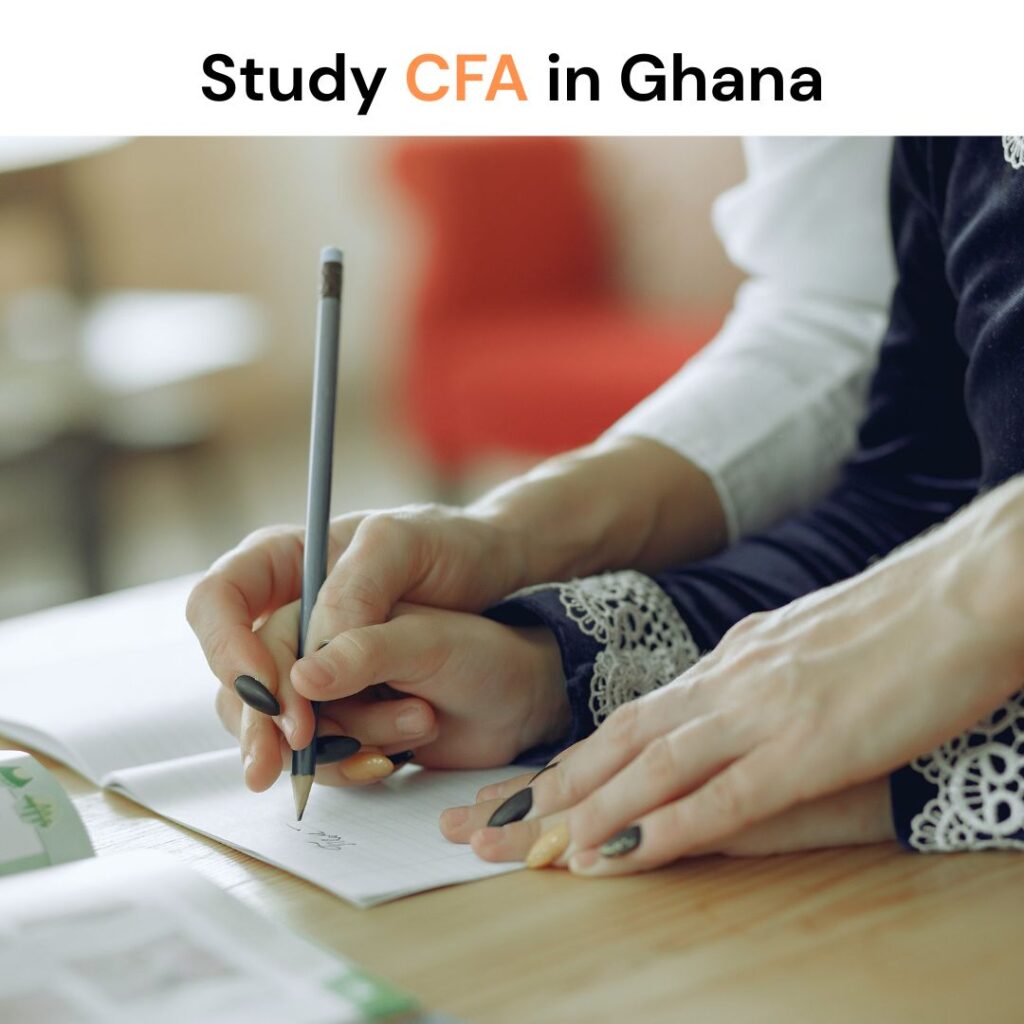
Some evenings feel like a tug-of-war. You walk out of your office, already thinking about the CFA readings waiting for you at home, your mind
drained from the day’s tasks. For many professionals, this is the quiet crossroads where ambition meets exhaustion. Still, thousands choose to study CFA in Ghana because they know the qualification can open doors to global finance careers, better credibility, and higher earning potential.
If you are considering CFA in Ghana while managing a full-time job, you are not alone. Many candidates in the country successfully clear each level through steady planning, consistent routines, and smart study habits. With the right approach, you can do it too. Let’s walk through practical strategies, tools, and Ghana-specific tips to help you stay on track.
Why the CFA Qualification Is Growing in Demand in Ghana
The finance field in Ghana has been expanding. Banks, investment firms, fintech companies, insurance companies, and advisory firms are actively seeking professionals who understand asset valuation, portfolio management, financial reporting, and ethical standards. This shift has made CFA in Ghana a sought-after qualification for analysts, accountants, investment bankers, research officers, portfolio managers, and even entrepreneurs.
The CFA designation is respected across the world. It signals discipline, technical skill, and a solid understanding of real-world financial decision-making. Many Ghanaian professionals choose it because it offers:
- A competitive edge in hiring
• Strong recognition in global markets
• A deeper understanding of modern finance
• Career flexibility across multiple industries
With the job market becoming more competitive, the CFA program stands out as a reliable investment in your long-term career.
The Challenge of Balancing Work and Study
Juggling work and CFA preparation is not easy. Each level demands around 300 hours of study. When you combine that with office deadlines, commuting, family duties, and personal responsibilities, the challenge becomes clear.
Still, with commitment and smart planning, many candidates Study CFA in Ghana each year and pass. The secret is not studying more. It is studying with intention.
How to Manage Time Effectively When Working Full Time
Time management is the backbone of CFA success. Here are practical ways to build a routine that fits your working life in Ghana:
Create a weekly CFA study plan
A CFA study plan helps you stay grounded. Block out fixed study hours and stick to them just like you would follow a work meeting. Most working professionals find early morning or late evening study sessions manageable.
Use your commute wisely
If you spend time in traffic in Accra, turn it into learning time. Listen to audio summaries, ethics lessons, or flashcards while commuting.
Prioritize your high-energy hours
Study during the time of day when your mind is freshest. For some, it is before sunrise. For others, it is after work once the house is quiet.
Reduce low-value activities
Cut back on unnecessary scrolling, long phone conversations, or TV time. These small adjustments create extra pockets of learning time.
Practical CFA Study Tips in Ghana for Busy Candidates
Here are strategies that Ghanaian candidates find useful:
Break your studies into small, manageable chunks
Avoid long, exhausting study sessions. Instead, break your learning into 45-minute blocks with short breaks.
Master the concepts before practicing questions
Understanding the foundation makes it easier to solve complex exam-style questions later.
Practice questions every day
CFA questions are the real teacher. Aim for at least 20 to 40 practice questions daily.
Review past mock exams
Mocks highlight your weak areas early and help you learn exam-style thinking.
Focus on high-weight topics
Financial reporting and analysis, ethics, equity, portfolio management, and fixed income usually carry strong exam weight.
How to Build a Realistic and Effective CFA Study Plan
A strong study plan is essential. Your CFA study plan should include:
- A timeline for finishing each topic
• Weekly targets for reading and question practice
• A revision period of at least 4 to 6 weeks
• Time for at least 4 full mock exams
• Space for rest days to avoid burnout
Most working professionals take 5 to 7 months to prepare for a CFA level. This timeline is realistic for full-time workers in Ghana.
Benefits of Using CFA Online Courses in Ghana
CFA online courses in Ghana have become a lifesaver for busy candidates. Online learning gives you flexibility, recorded lessons, quick doubt-clearing sessions, and easy access to mock exams.
Popular benefits include:
- Study wherever you are, even during travel
• Learn at your own pace
• Access tutors without visiting a physical centre
• Affordable compared to in-person classes
Online platforms help you stay connected to expert explanations without sacrificing your work hours.
Tips for CFA Level 1 Preparation in Ghana
CFA Level 1 is broad, and many candidates underestimate it. Here are Ghana-specific suggestions:
- Start early because the content is wide
• Focus heavily on ethics because it influences your final score
• Master quantitative methods early so you do not struggle later
• Use question banks as soon as you finish each topic
• Do not ignore mock exams
Level 1 rewards consistent effort, not cramming.
Recommended Study Materials and Platforms
Here are reliable study tools used by many Ghanaian candidates:
- CFA Institute official curriculum
• CFA Institute Learning Ecosystem (LES)
• Schweser Notes
• Wiley Study Guides
• AnalystPrep or Salt Solutions
• Mock exams from the CFA Institute
If your budget is tight, start with the CFA Institute Learning Ecosystem. It is already detailed and free with your exam registration.
Best CFA Training Centres in Ghana
While many people rely on self-study or online courses, some prefer structured classes. Here are some of the best CFA training centres in Ghana:
1. Premier Professional Institute (PPI)
Known for experienced tutors and detailed weekend classes. Good for beginners who want guided learning.
2. University of Professional Studies Accra (UPSA) Short Courses
UPSA offers finance-related executive courses that help build a foundation for CFA.
3. Accra Business School
Provides structured training sessions and weekend classes for working professionals.
4. Online global platforms (mirchawala hub of accountancy)
Mirchawala hub of accountancy is online platform and popular online choices among Ghanaian candidates.
How to Stay Consistent and Motivated
Consistency is the real challenge. Use these ideas to stay focused:
- Study at the same time every day
• Track your progress weekly
• Reward yourself for milestones
• Join CFA study groups in Ghana on WhatsApp or Facebook
• Remind yourself why you started
Stay connected to your long-term vision. Each study hour is an investment in your future career.
Common Mistakes Ghanaian Candidates Make
Here are pitfalls to avoid:
- Starting too late
• Ignoring ethics
• Not practicing enough questions
• Relying only on video lessons without active practice
• Studying without a plan
• Not reviewing weak areas early
Avoid these mistakes, and you will dramatically improve your chances of passing.
Conclusion
Studying for the CFA exam while working full-time is demanding, but it is absolutely possible with the right approach. When you follow a structured CFA study plan, use smart tools, and remain consistent, you give yourself a real chance at success. Many busy professionals study CFA in Ghana every year and pass with confidence. You can do it too. Start early, stay consistent, and trust the process.
Frequently asked questions
How many hours should a working professional in Ghana study for each CFA level?
Most candidates aim for 250 to 300 hours per level. Spread across five to seven months, this equals around 10 to 12 hours per week, which is manageable alongside a full-time job.
Are CFA online courses in Ghana enough to pass the exam?
Yes, online courses are enough if you combine them with CFA Institute resources, consistent question practice, and mock exams. Pick a course that fits your learning style and offers structured guidance.