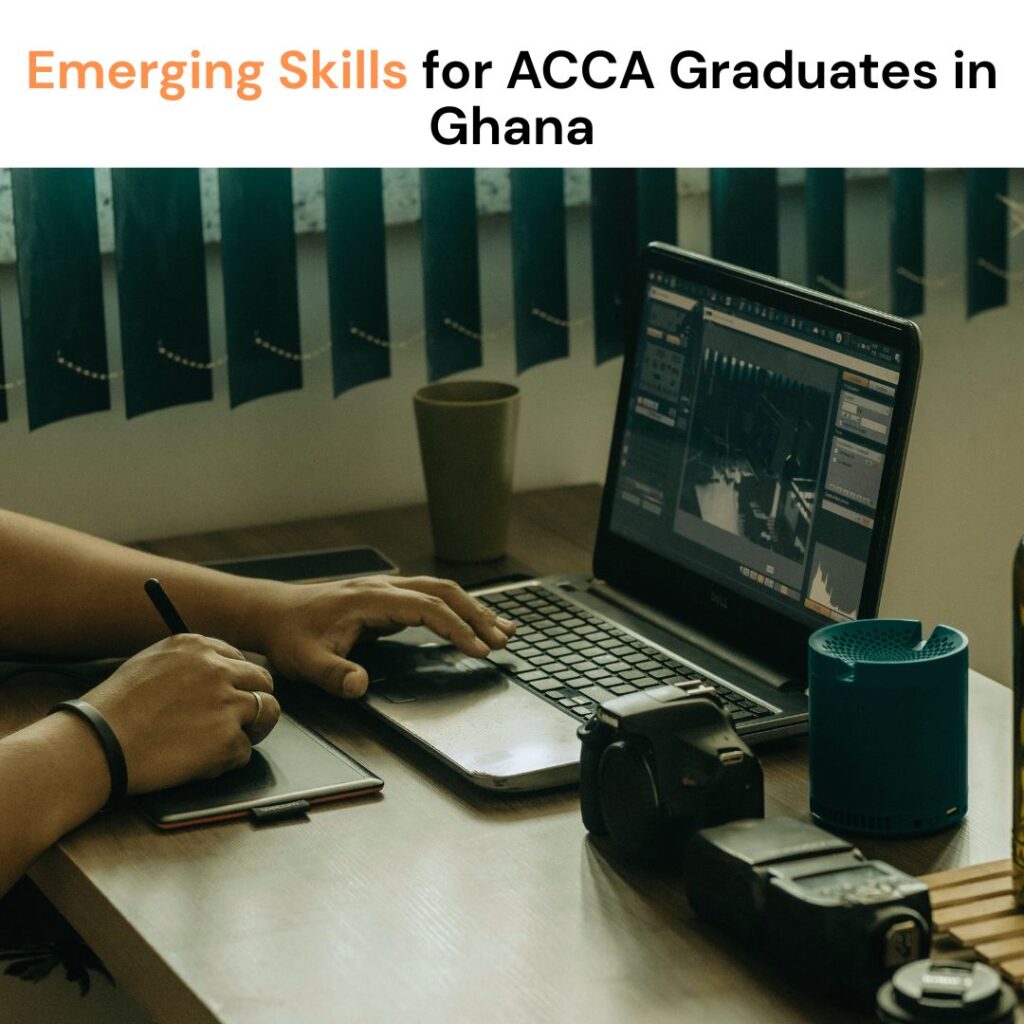
The accounting profession in Ghana is changing faster than ever. A few years ago, strong exam results and solid bookkeeping knowledge were often enough to land a good role. Today, that is no longer the case. Digital transformation, stricter regulations, and higher expectations from employers mean accountants are expected to think beyond numbers. For ACCA graduates in Ghana, success now depends on combining technical knowledge with practical, digital, and people-focused skills.
This shift is not a threat. It is an opportunity. Those who understand the emerging skills for ACCA professionals and start building them early can stand out in a crowded job market and move into better roles faster.
Why Emerging Skills Matter for ACCA Graduates in Ghana
Ghana’s business environment is evolving. Companies are adopting accounting software, automation tools, and data-driven decision-making. Regulators are demanding higher levels of transparency and compliance. Employers want professionals who can explain financial insights, not just prepare reports.
For ACCA graduates in Ghana, this means exam success alone is not enough. Employers now look for candidates who can add value from day one. They want professionals who understand systems, communicate clearly, and support business growth. Developing emerging skills for ACCA is no longer optional. It is essential for career progression and long term relevance.
Technical Skills Beyond the ACCA Syllabus
The ACCA Applied Skills papers provide a strong foundation in financial reporting, audit, taxation, and performance management. These accounting skills are still critical and form the backbone of your professional competence.
However, employers often expect additional technical abilities that go beyond the syllabus. These include advanced financial analysis, budgeting and forecasting, risk management, and sector specific knowledge such as banking, oil and gas, or public sector finance in Ghana.
ACCA graduates who take time to deepen their practical technical skills through real work experience or short courses often adapt faster in the workplace. This combination of theory and application makes you more confident and more employable.
Digital and Technology Skills ACCA Graduates Must Learn
Technology is reshaping the finance function across Ghanaian organizations. Manual processes are being replaced by automated systems, and accountants are expected to work comfortably with digital tools.
Key digital skills include familiarity with accounting software such as Sage, Tally, QuickBooks, and ERP systems. Basic data analytics is also becoming important. Understanding how to analyze data using Excel, Power BI, or similar tools allows you to turn numbers into insights.
Automation awareness is another essential skill. You do not need to be a programmer, but understanding how automation affects reporting and controls helps you stay relevant. These digital capabilities are now part of the essential skills ACCA professionals need to succeed.
Business, Strategy, and Commercial Awareness
Modern accountants are business partners, not just record keepers. Employers value ACCA graduates who understand how businesses make money and how financial decisions affect growth.
Commercial awareness includes understanding your organization’s industry, competitors, and market risks. It also means thinking strategically. For example, how can cost control improve profitability, or how can better cash flow management support expansion?
Strong accounting skills combined with business thinking open doors to higher responsibility roles. This is especially true for ACCA graduates in Ghana working with SMEs, where finance professionals often support decision-making directly with business owners.
Communication, Ethics, and Leadership Skills
Technical knowledge loses its impact if you cannot communicate it clearly. One of the most important emerging skills for ACCA professionals is the ability to explain financial information in simple terms.
Written and verbal communication skills help you present reports, participate in meetings, and build trust with stakeholders. Ethics is equally important. Employers expect ACCA professionals to uphold integrity, confidentiality, and professional judgment at all times.
Leadership and teamwork skills also matter, even early in your career. Being reliable, proactive, and able to work well with others sets you apart. These essential skills ACCA emphasizes are often what influence promotions and career growth.
How ACCA Professional Development Supports Career Growth
ACCA professional development plays a major role in helping graduates build relevant skills. Continuous professional development, or CPD, allows you to update your knowledge and stay aligned with industry changes.
ACCA offers learning resources, webinars, and certifications that support both technical and soft skill development. Practical experience requirements also encourage learning through real work exposure.
By actively engaging with ACCA professional development opportunities, graduates show employers that they are committed to growth and excellence. This mindset is highly valued in Ghana’s competitive job market.
Practical Tips to Build These Skills While Studying or After Qualification
You do not need to wait until qualification to start building skills. Internships and entry-level roles provide hands-on experience that complements ACCA studies. Even short-term attachments can improve confidence and understanding.
Online courses are another powerful option. Platforms offering Excel, data analysis, and communication training are widely accessible. Networking is equally important. Attending ACCA events and connecting with professionals in Ghana helps you learn from real experiences.
At work, volunteer for new tasks, ask questions, and seek feedback. Workplace learning often teaches skills that books cannot. Consistent effort in small steps leads to long-term growth.
Career Opportunities for Skilled ACCA Graduates in Ghana
ACCA graduates with strong emerging skills can explore a wide range of roles. These include audit and assurance, financial accounting, management accounting, and taxation.
There are also opportunities in consulting, SMEs, public sector organizations, and multinational companies. Some graduates choose entrepreneurship, offering accounting and advisory services to local businesses.
The more skills you build, the more options you create for yourself in Ghana’s growing economy.
Conclusion
The future belongs to ACCA graduates in Ghana who embrace continuous learning. The profession is evolving, and so must the professionals within it. By developing emerging skills for ACCA, including digital, business, and communication abilities, you position yourself for long term success.
Stay curious, invest in your development, and go beyond exam preparation. The effort you make today will shape your career tomorrow.
Frequently Asked Questions
What are the most important emerging skills for ACCA graduates in Ghana?
Digital skills, communication, business awareness, and practical technical expertise are among the most valuable emerging skills.
Are ACCA Applied Skills enough to get a good job in Ghana?
They provide a strong foundation, but employers often expect additional practical and soft skills alongside exam knowledge.
How can students build skills while studying ACCA?
Internships, online courses, networking, and workplace learning are effective ways to build skills alongside studies.
Does ACCA professional development really help career growth?
Yes. CPD and ACCA learning resources help professionals stay updated and demonstrate commitment to excellence.
Can ACCA graduates work outside traditional accounting roles?
Yes. With the right skills, ACCA graduates can work in consulting, finance management, public sector roles, and entrepreneurship.